Coordinate & Geometric
Complex profiles, hole patterns, positions, flatness, and relationships between features may call for coordinate or geometric measurement methods.

Quality control
From material review to final release, inspection checkpoints are planned around the features, tolerances, appearance standards, and records that matter to your part.
Requirements before measurement
A reliable result begins by defining what must be controlled. We review the current drawing revision, material, tolerances, finish, cosmetic expectations, mating features, and required quality records before the manufacturing route is released.
The inspection plan is then matched to part geometry and project risk—so critical features receive the right method and the right checkpoint.
Explore inspection & metrology capability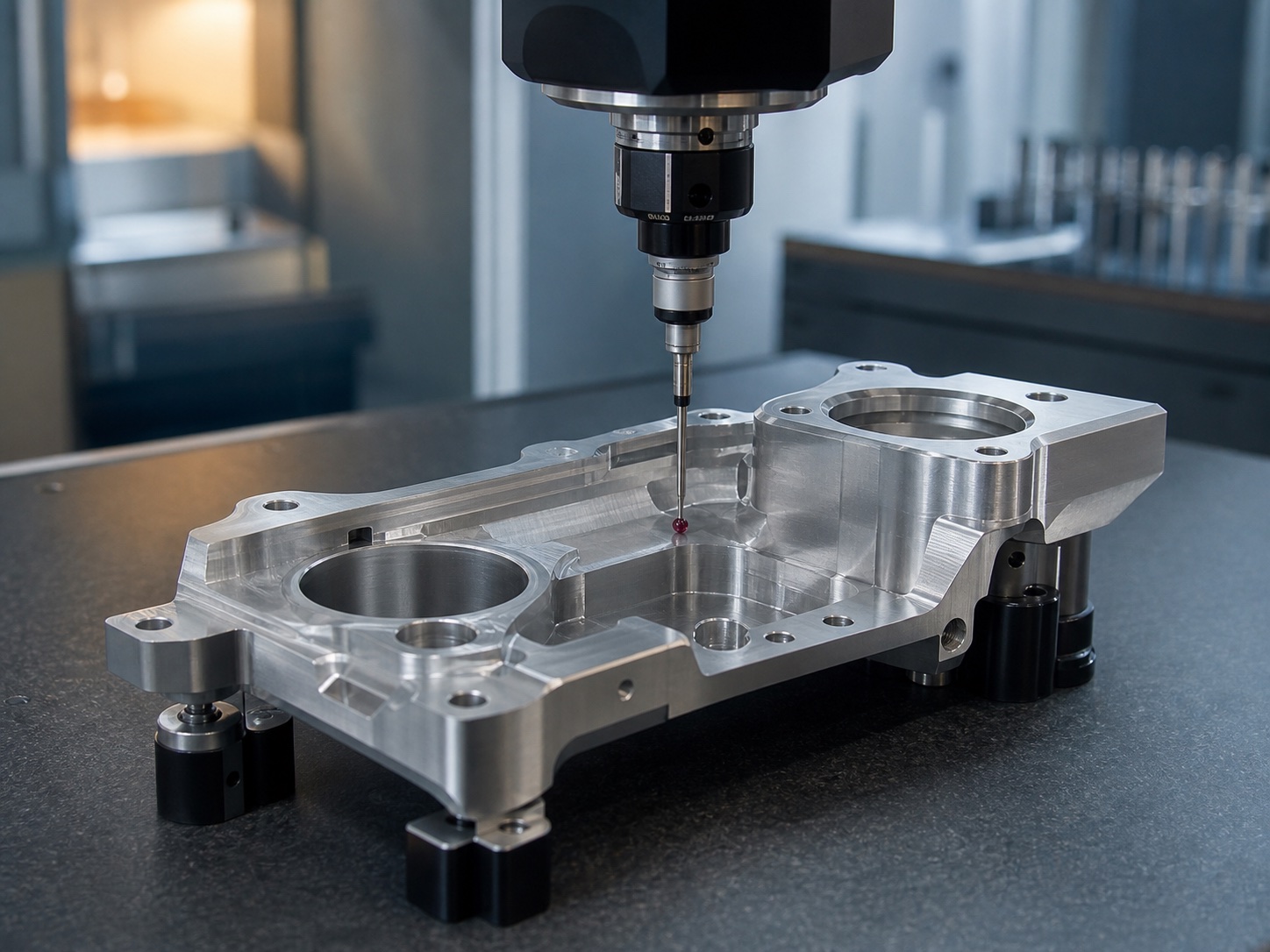
Four quality gates
Each gate has a clear purpose: confirm the inputs, protect the process, verify the result, and organize the evidence requested for shipment.
IQC / Incoming
Review ordered material information, supplied documentation, drawing revision, finish requirements, and the visible condition of incoming items.
FAI / First Article
Verify representative first-off parts before routine production continues, with priority given to critical dimensions and functional interfaces.
IPQC / In Process
Place checks at meaningful manufacturing stages so variation can be identified early rather than discovered only after completion.
FQC + OQC / Release
Check completed parts against the agreed plan, review appearance and quantity, then assemble requested records before shipment.
Inspection capabilities
No single instrument answers every drawing. Inspection methods are selected according to tolerance, geometry, access, surface, and the evidence the project requires.
Complex profiles, hole patterns, positions, flatness, and relationships between features may call for coordinate or geometric measurement methods.
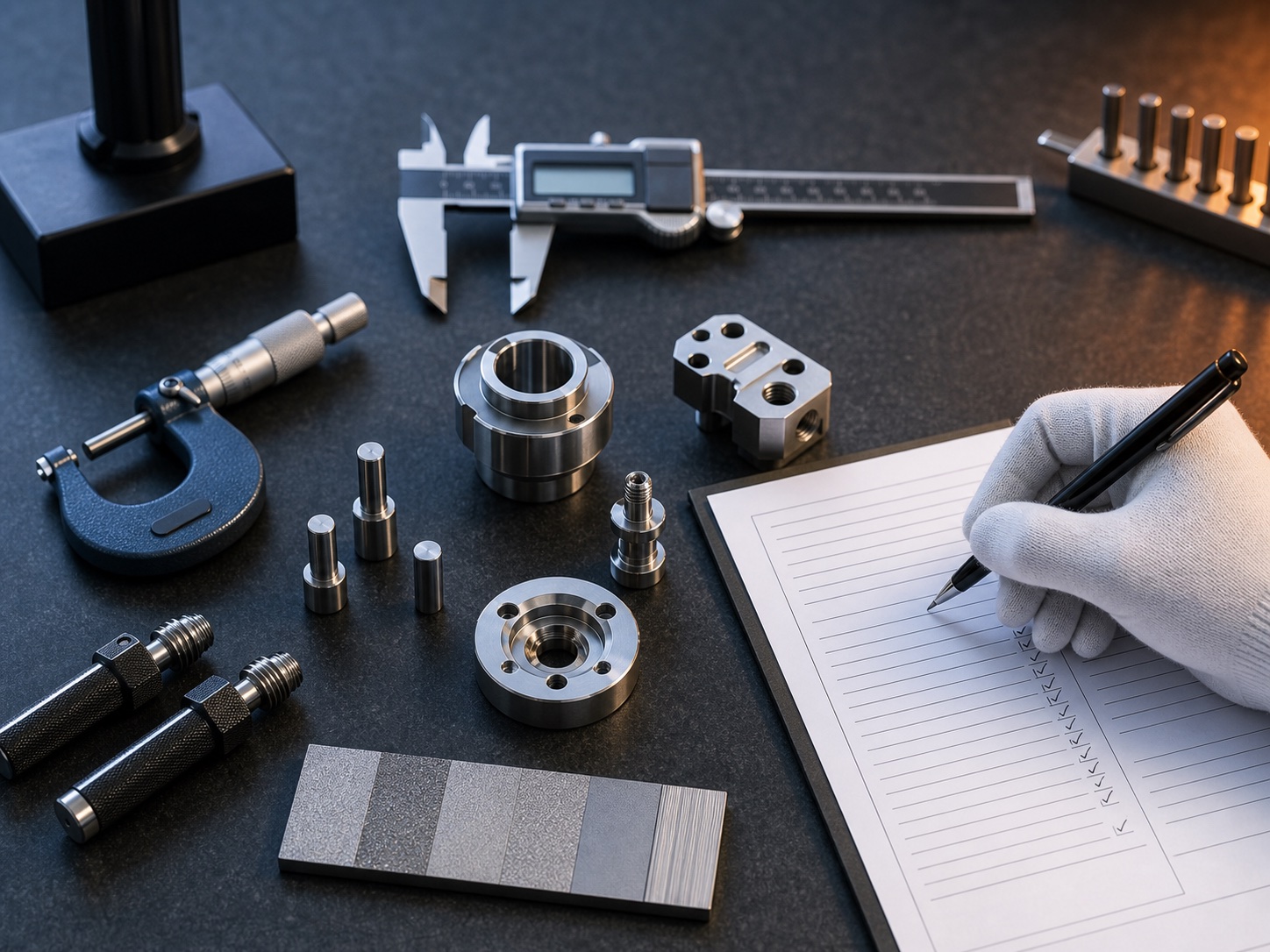
Calipers, micrometers, height and depth tools, pin gauges, and thread gauges support accessible dimensions and production checks.
Finish, texture, color expectations, workmanship, cleanliness, damage, and defined cosmetic zones are reviewed against agreed criteria.
Mating features, interfaces, threads, assemblies, and application-specific checks can be included when requirements are defined up front.
Appearance & documentation
Quality documentation is most useful when its scope is clear before production. Tell us what your receiving team, quality system, or end application expects, and we will review it with the quotation.
A better quality plan starts with a better RFQ
Quality requirements belong in the conversation
Send the revision, critical features, appearance criteria, and documentation needs with your inquiry so manufacturing and inspection can be planned together.
Discuss Your Project