Fixtures & Locating Nests
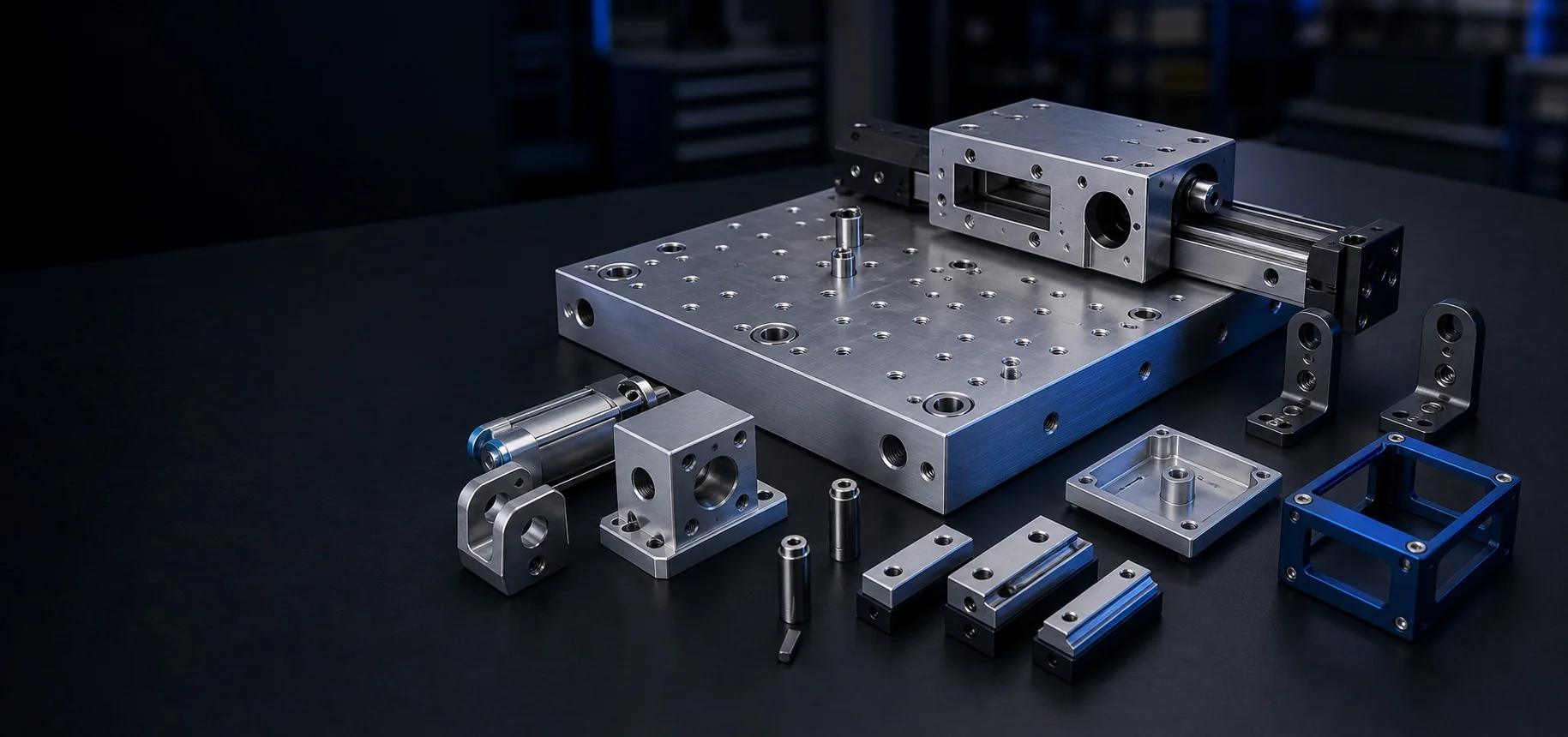
Base plates, workholding nests, datum blocks, and locating features built around repeatable positioning.
Application considerations
Precision components, fixtures, and integrated manufacturing support for automation equipment that must run accurately and reliably.
Project guide
Make locating datums, mounting patterns, installation access and replacement requirements explicit. Connect part acceptance to the interfaces used in the equipment.
Built for dependable motion
Industrial automation systems depend on components that locate, guide, mount, and move with consistent accuracy. Review machined parts, fabricated structures, finishing, inspection and assembly requirements against the equipment drawing.
Identify whether the request concerns design validation, an equipment build, a replacement component or a repeat batch, and agree the corresponding acceptance requirements.
Component examples to discuss
Precision manufacturing for the structures, tooling, and motion components used throughout automated production systems.
Base plates, workholding nests, datum blocks, and locating features built around repeatable positioning.
Carriage housings, guide supports, actuator mounts, clevises, spacers, and precision alignment parts.
Compact brackets and adjustable mounting components for sensors, cameras, tooling, and end-of-line stations.
Machined and fabricated structures that protect equipment while supporting accurate component installation.
Connected capabilities
Choose the manufacturing route that fits your automation project.
Precision parts
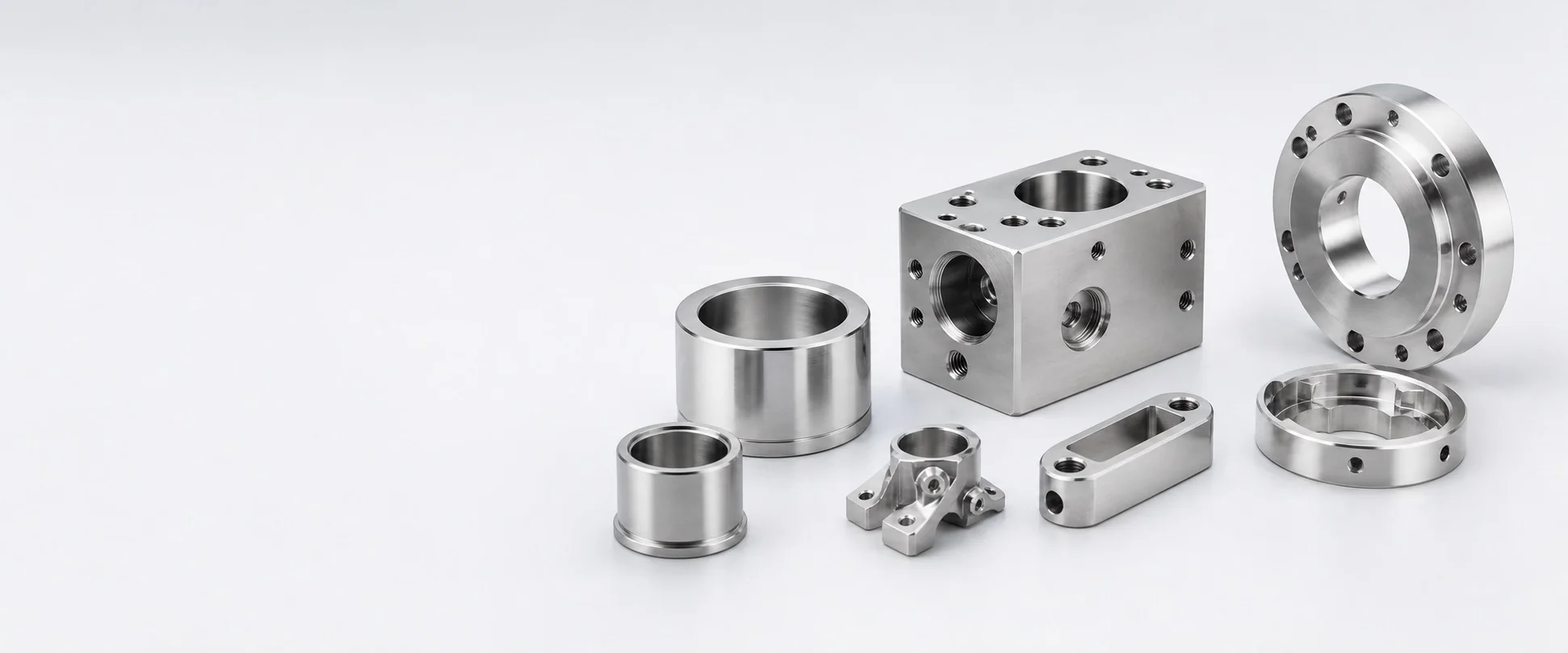
Fixtures, housings, mounts, plates, and close-tolerance components manufactured from your drawings.
Explore CNC machining →Equipment structures
Panels, guards, brackets, frames, and enclosures for automated equipment and control systems.
Explore sheet metal →Coordinated delivery
Component-level assembly support that reduces the work required before installation into your equipment.
Explore assembly support →Decision guide
For fixture plates, mounts and brackets, the useful starting point is how the part locates, attaches and can be replaced in the equipment. Define the interfaces that control installation before applying tight requirements to every surface.
Scroll horizontally to compare all columns.
| Design scenario | Interface to define | Manufacturing and verification review |
|---|---|---|
| Fixture or locating plate | Locating datums, hole pattern and working-face relationship | Show how position is referenced and which features establish the inspection alignment |
| Sensor or equipment bracket | Mounting envelope, adjustment range, fastener access and orientation | Review formed or machined geometry against the installed condition |
| Replaceable equipment component | Mating dimensions, part identity and revision | Agree interchangeability criteria, finish and any retained reference |
| Multi-part module | BOM, locating sequence and delivery boundary | Separate part inspection from agreed assembly or functional checks |
These are drawing-review examples, not completed Bolar projects or a claim of machine-level validation. Share the installed interfaces and acceptance criteria so the component and assembly scope can be reviewed.
Guide updated . Confirm the manufacturing and inspection scope for your actual order.
Start your automation project
Share your part files, quantities, materials, finishes, and quality requirements. Our team will review the details and respond by email.
Discuss Your Application